Showing posts with label Madagascar. Show all posts

Saturday, July 12, 2014

Douvilleiceras mammilatum ammonite from Madagascar

Most of the ammonites that one sees for sale from Madagascar are Cleoniceras but sometimes you will see specimens of Douvilleiceras mammilatum for sale. They are nicknamed "Tractor Tires" due to their shape. They come from Albian stage (Cretaceous) aged rocks on the northwest coast of Madagascar in a region called Mahajanga.

Specimen #1


Specimen #2 - This specimen is a little beat up but you get to see some interesting features as a result.


A broken section of shell shows off some of the internal sutures in cross section
While on the outside the more elaborate surture pattern is revealed when the shell coating it is removed.


Thursday, July 10, 2014

Cleoniceras besairei ammonite from Madagascar

Celoniceras besairei ammonites from Madagascar are very common on the fossil market. They come from Albian stage (Cretaceous) aged rocks on the northwest coast in a region called Mahajanga. The specimens below retain some of their original shell material (or nacre) and are colorful in the sun. Generally specimens such as these need to be worked before they can leave Madagascar. The idea being that it will help employ more people in this poor country. In the case of these specimens they hav had some of the shell trimmed to make it flat and even. They likely removed jagged and incomplete edges to make the shell look better. Many times they polish the shell material off, to reveal the sutures underneath or sometimes a layer of gemmy fire opal, or cut them in half to show off the interior chambers like in these specimens that I posted before (and I think may not be Cleoniceras but rather Desmoceras because of the internal suture shape).


Specimen #2 - this one is a little rougher with some shell sections missing but it looks more like it was "just found" rather than all polished up.


This web site has a nice write up of their experiences collecting and cataloging the ammonites of Madagascar. It's in German but Google translate will help.

Sunday, April 27, 2014

Curios from Madagascar

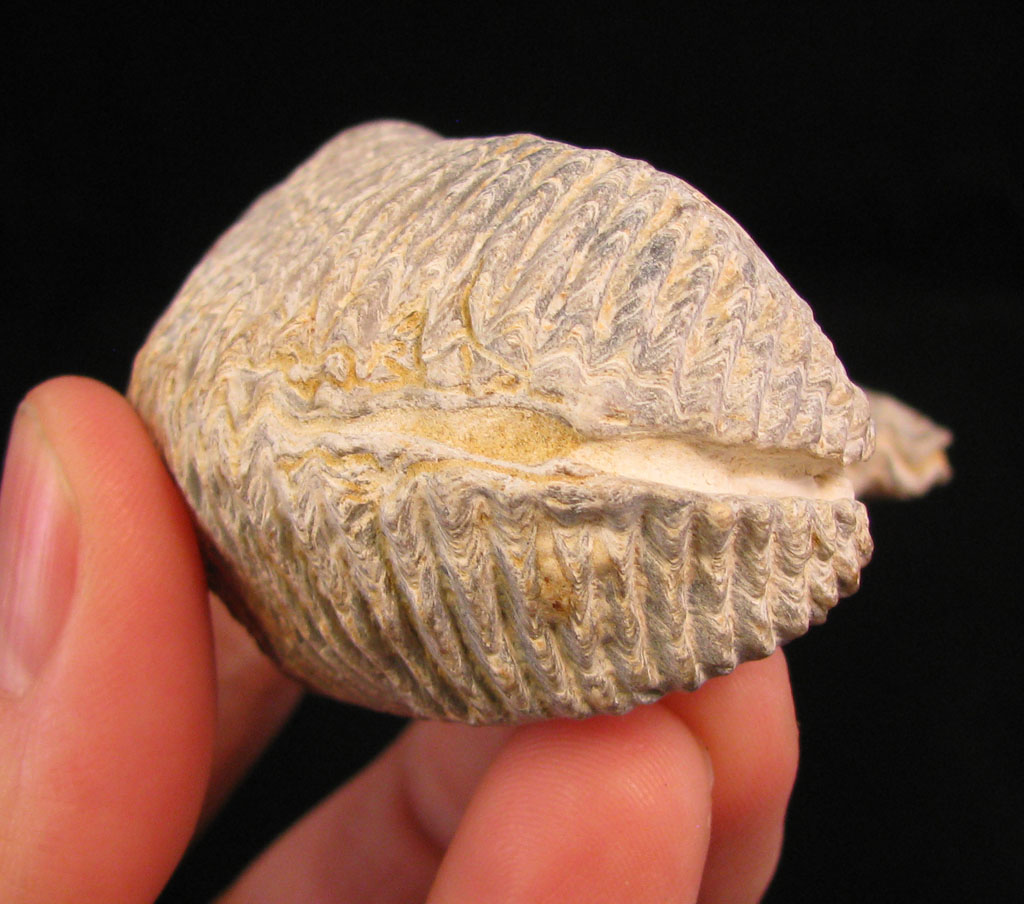
Below are two fossils from Madagascar that I recently picked up at a local show. The first is possibly an Alectryona carinata oyster based on a similar specimen on this website. My specimen did not come with any label other than "Madagascar". Based on similar species I'd venture to guess that this came from Cretaceous sediments.


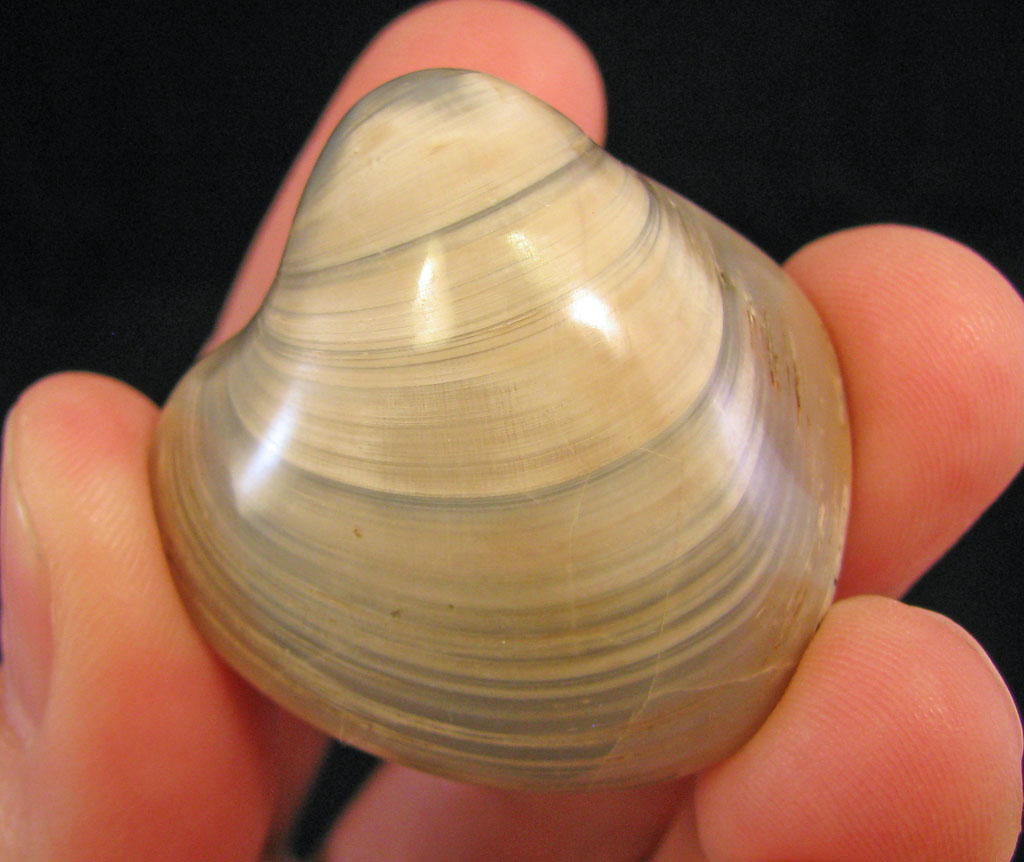
The other Madagascar specimen I purchased was this polished clam. I don't normally go for polished fossils but these specimens were very nice with a slight translucency. In the end I decided it would be good for a desk specimen at work where I wouldn't be upset if it was broken or stolen. The label that came with these fossils indicated they were originally found near Mahajanga, Madagascar but I don't know what their age is.


It's too bad that many of the fossils that come from Madagascar are polished/slabbed or otherwise modified from how they were originally found. Some of this is due to making the fossils look "better" so they will sell faster to the general public. I've heard that Madagascar is one of several countries that don't want their fossil resources plundered and sent out of the country so they require that they be worked in country to provide more jobs. I can see the point of all this but sometimes I would just like a natural looking fossil.

Thursday, October 14, 2010

Cleoniceras

Hailing from the island nation of Madagascar is this cut and polished Cleoniceras Ammonite. The creature which once inhabited this shell died about 105 million years ago during the Albian stage of the lower Cretaceous. Note the pearlescent exterior of the shell and the hollow interior of the chambers. This specimen was not terribly expensive and the fossils are extremely common at many fossil dealers tables or websites.


I liked this specimen because of the exterior shell being intact. Some specimens are ground and polished so that you can see the suture lines of the chambers where they met the exterior shell. It also clearly displays the typical growth pattern of coiled Cephalopods with a spiral of previously occupied chambers winding back to the beginning of the creatures life. I wonder how often the animal would pull it's body forward and seal off another section of it's shell to be used for buoyancy? I can count more than sixty chambers but there are probably more that I can't discern because they are too small. If they made a new chamber every month then this animal would be at least five years old, but this is only speculation.